Get Shrub Trimming
Local contractors offer shrub trimming services that improve curb appeal, promote healthy growth, and safely remove overgrown or damaged branches.
If property owners are considering shrub trimming, they are likely looking to enhance the appearance and health of their outdoor spaces. Properly maintained shrubs can improve curb appeal, support plant vitality, and create a more inviting environment. Exploring professional shrub trimming services ensures that the work is handled efficiently and with attention to the specific needs of each landscape. Whether preparing for seasonal changes or maintaining a tidy yard, residents can find local contractors equipped to assist with these tasks.
Comparing options among local service providers can help property owners find experienced professionals suited to their landscape goals. Many local contractors offer a variety of shrub trimming solutions tailored to different property types and preferences. Continuing to explore available services can lead to discovering the right fit for maintaining a well-groomed, attractive outdoor space that complements the overall property.
- Overgrown Shrubs - when existing shrubbery has become unruly and needs shaping or thinning.
- Hedge Trimming - to maintain a neat appearance and promote healthy growth for hedges.
- Seasonal Pruning - during specific times of the year to encourage flowering or fruit production.
- Landscape Enhancement - as part of a larger garden or yard makeover requiring shrub adjustments.
- Storm Cleanup - after severe weather to remove damaged or fallen shrub branches.

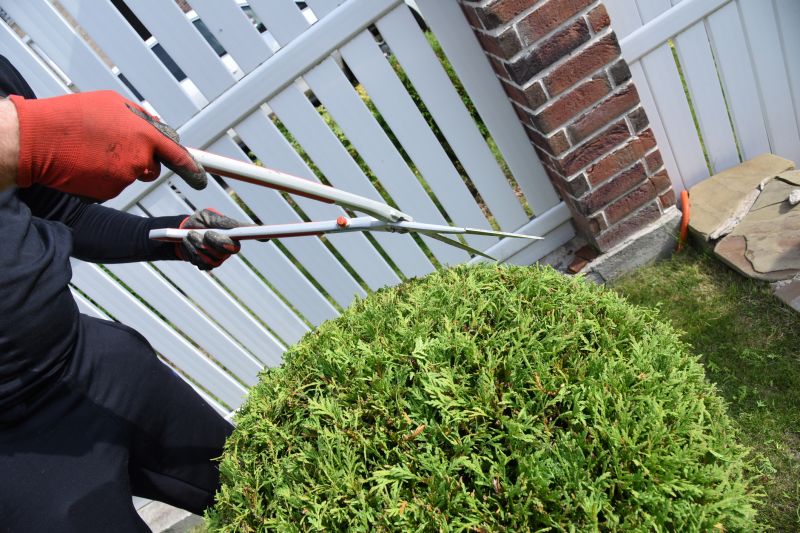
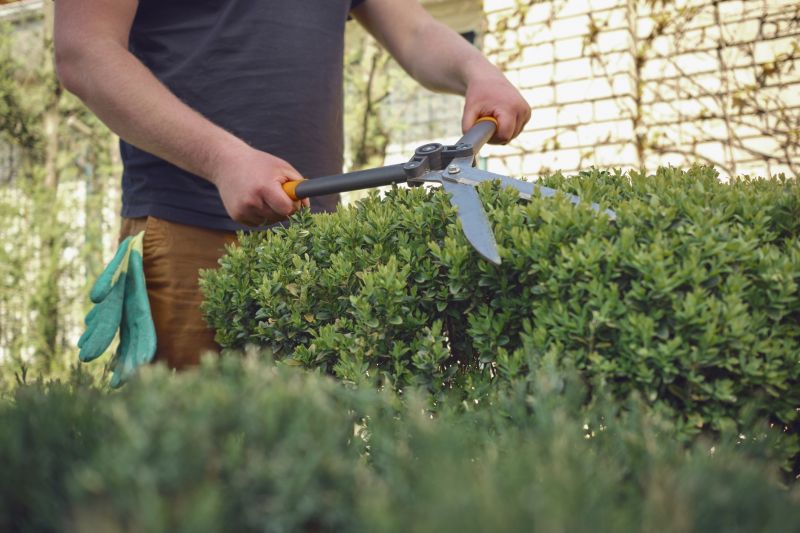
Shrub trimming services involve the careful shaping and pruning of shrubbery and bushes to maintain their health and appearance. This process typically includes removing dead or overgrown branches, thinning dense foliage, and shaping plants to achieve a neat, balanced look. Proper trimming encourages healthy growth, prevents plants from becoming unruly, and enhances the overall curb appeal of a property. Service providers use specialized tools and techniques to ensure that shrubs are trimmed accurately and safely, helping homeowners keep their landscaping looking tidy and well-maintained.
Regular shrub trimming can address a variety of common problems that arise with overgrown or neglected plants. Overgrown shrubs can block pathways, windows, or sightlines, creating safety hazards or reducing natural light inside the home. Dense or unruly branches may also attract pests or become susceptible to disease if not properly maintained. Trimming helps improve air circulation around plants, reducing the risk of fungal issues and other health problems. Additionally, shaping shrubs can prevent them from encroaching on nearby structures or other landscaping elements, maintaining a balanced and attractive yard.
This service is often used on residential properties, particularly in neighborhoods where curb appeal is important. Homeowners with landscaped yards, gardens, or privacy hedges frequently seek shrub trimming to keep their outdoor spaces looking tidy and inviting. Commercial properties, such as office complexes, retail centers, and apartment complexes, also benefit from regular shrub maintenance to present a professional appearance. Regardless of property size, shrub trimming can be an essential part of ongoing landscape care, helping to preserve the health and aesthetic of outdoor spaces.
Homeowners may find shrub trimming necessary when their bushes become overgrown or start to look unkempt. It is also useful when preparing for seasonal changes, such as spring cleanup or fall preparations, to ensure plants are healthy and well-shaped. If shrubs are showing signs of disease, damage, or pest infestation, trimming can help remove affected areas and promote new, healthy growth. Engaging experienced service providers ensures that shrub trimming is done efficiently and correctly, contributing to a well-maintained landscape that enhances the property's overall appearance.
The overview below groups typical Shrub Trimming projects into broad ranges so you can see how smaller, mid-sized, and larger jobs often compare in your area.
In many markets, a large share of routine jobs stays in the lower and middle ranges, while only a smaller percentage of projects moves into the highest bands when the work is more complex or site conditions are harder than average.
Small Shrub Trimming - Typical costs range from $50 to $150 for routine maintenance of a few shrubs. Most local contractors handle these smaller jobs efficiently within this range. Larger or more complex small jobs may cost slightly more but generally stay within this band.
Medium Shrub Pruning - Expect to pay between $150 and $400 for trimming multiple shrubs or larger bushes. Many projects fall into this middle range, with fewer jobs reaching the higher end for more extensive pruning or specialty work.
Large Shrub and Hedge Trimming - Costs for larger or more dense hedges can range from $400 to $1,000. These projects often involve more time and equipment, and prices tend to be higher for extensive or hard-to-reach shrubbery.
Full Shrub Replacement or Major Overhaul - Complete removal and replacement of shrubs can range from $1,000 to $5,000 or more, depending on the size and scope. Such projects are less common and typically represent larger, more complex landscaping efforts.
Actual totals will depend on details like access to the work area, the scope of the project, and the materials selected, so use these as general starting points rather than exact figures.
Hedge Trimming - local contractors who specialize in shaping and maintaining hedges often use similar pruning tools and techniques as shrub trimming services.
Tree Pruning - pruning trees requires knowledge of plant health and the use of specialized tools, aligning with skills used in shrub maintenance.
Garden Bed Clearing - clearing overgrown garden beds involves trimming and removing unwanted plants, which shares planning and tool use with shrub trimming.
Landscape Cleanup - landscape cleanup projects often include shrub and bush trimming as part of overall site beautification efforts.
Bush Removal - removing or thinning out large bushes involves similar planning and equipment as shrub trimming services.
Privacy Hedge Installation - creating or maintaining privacy hedges requires trimming and shaping skills comparable to shrub care services.
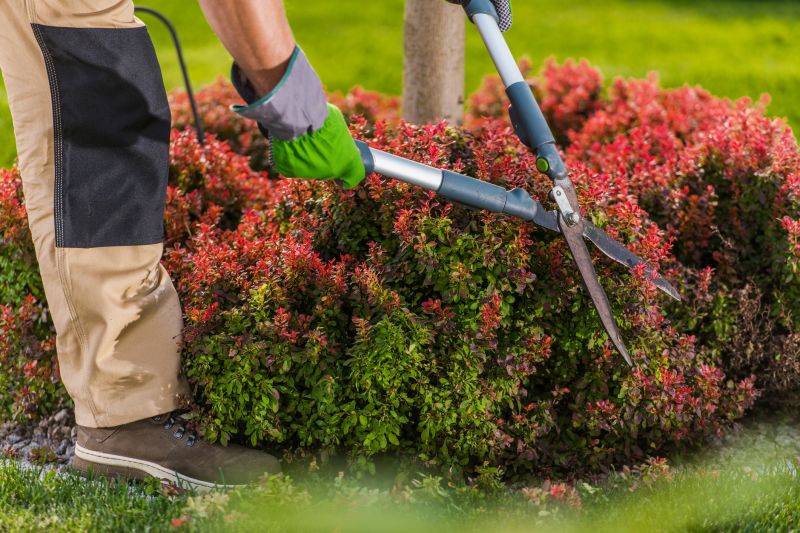
When comparing contractors for shrub trimming services, it’s important to consider their experience with similar projects. Homeowners should look for service providers who have a proven track record of handling shrub trimming tasks comparable to their own needs. An experienced contractor will be familiar with different types of shrubs, pruning techniques, and plant health considerations, which can contribute to a more successful outcome. Asking about past work or viewing portfolios can help gauge a contractor’s familiarity with projects similar to the one at hand.
Clear written expectations are essential when selecting a local contractor for shrub trimming. Homeowners should seek providers who can offer detailed descriptions of the scope of work, including specific tasks, materials used, and any guarantees or warranties. Having these expectations documented helps prevent misunderstandings and ensures that both parties are aligned on what will be delivered. Open communication about project details also makes it easier to compare options and select a contractor who can meet the homeowner’s needs.
Reputable references and good communication are key factors in choosing a reliable service provider. Homeowners should request references from previous clients who can speak to the contractor’s professionalism, punctuality, and quality of work. Additionally, a contractor who communicates clearly and promptly can make the process smoother and more transparent. Good communication helps address questions or concerns early in the project, fostering a positive working relationship. It’s important to remember that this site introduces homeowners to local options, not that it performs the work itself, so verifying these qualities directly with the prospective service providers is a vital step.
Property owners use Shrub Trimming services for practical projects around their homes and businesses. This guide focuses on everyday jobs and straightforward project options.
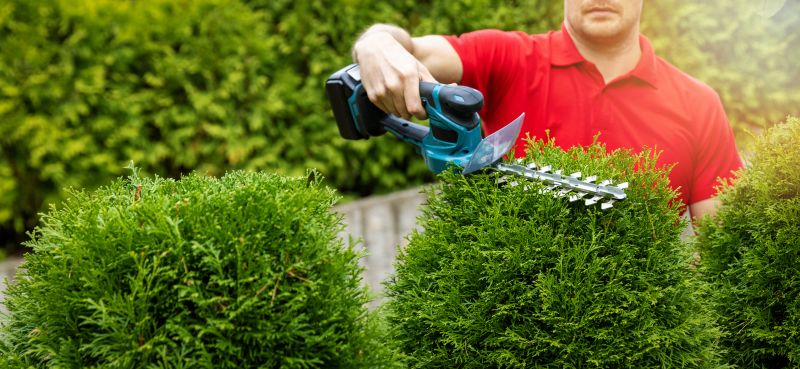
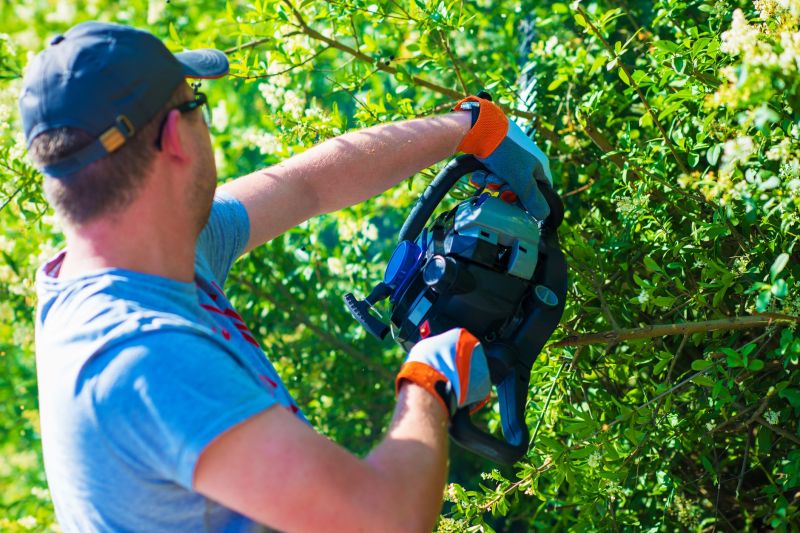
Shrub trimming services are commonly sought after by property owners who want to maintain a tidy and attractive landscape. Overgrown or uneven shrubs can detract from curb appeal, and regular trimming helps keep plants healthy and well-shaped. Whether preparing for a special event or simply keeping the yard looking its best, many choose local contractors to handle routine shrub maintenance.
Property owners might also look for shrub trimming when dealing with safety concerns, such as preventing overgrown branches from obstructing walkways or windows. Additionally, trimming can be part of seasonal yard clean-up efforts or a way to promote healthy growth for the upcoming seasons. Local service providers offer the expertise needed to handle these everyday landscape tasks efficiently.
What are the benefits of shrub trimming? Shrub trimming helps maintain the health and appearance of plants, promotes new growth, and keeps landscapes looking tidy and well-kept.
How often should shrubs be trimmed? The frequency of trimming depends on the shrub type and growth rate, but many shrubs benefit from pruning at least once a year to stay healthy and attractive.
What tools are typically used for shrub trimming? Local contractors often use pruning shears, hedge trimmers, and loppers to carefully shape and remove overgrown or damaged branches.
Can shrub trimming help prevent pests and diseases? Yes, regular trimming can improve airflow and reduce the likelihood of pest infestations and disease development on shrubs.
What factors influence the best time to trim shrubs? The optimal time for trimming varies by shrub species, often during dormant seasons or after flowering, to support healthy growth and flowering cycles.
Seasonal Shrub Trimming - Keep shrubs neat and healthy by removing overgrown branches during seasonal changes, enhancing curb appeal.
Hedge Shaping - Achieve a polished look for hedges to define property boundaries or create privacy screens around the yard.
Pruning for Plant Health - Remove dead or diseased branches to promote better growth and prevent pests from affecting shrubs.
Landscape Maintenance - Incorporate shrub trimming into regular landscape upkeep to maintain a balanced and attractive outdoor space.
If you are thinking about Shrub Trimming for a property, this guide is meant to help you understand the work, the typical project types, and how different options might fit your plans.
When you are ready, you can use the quote form on this page to share a few details about your project. From there, local pros can review the basics and respond with options that match what you have in mind.